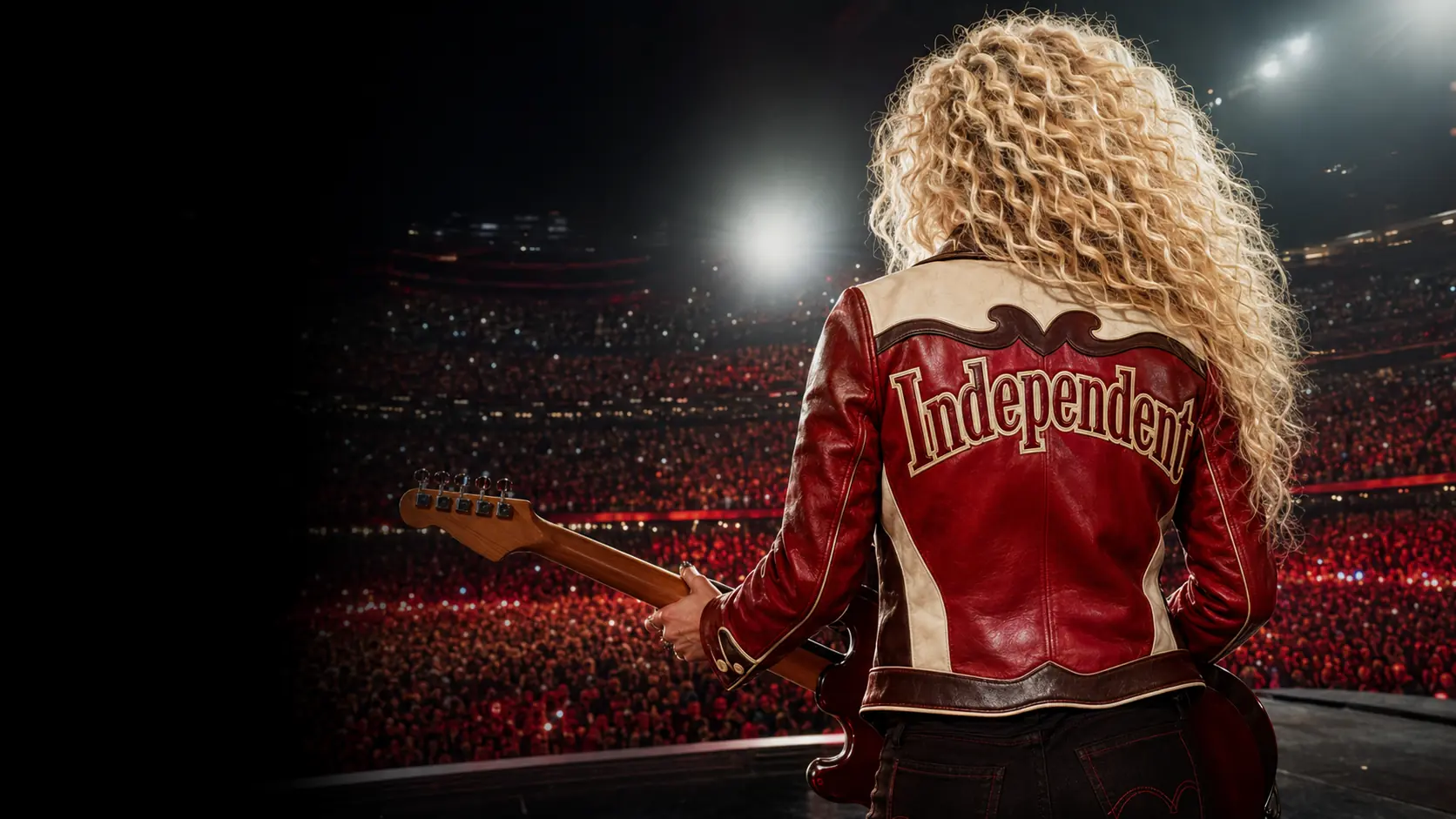
IMAGE SYSTEM
11 MIN READ
UNMJR BLOG
Why Wardrobe Matters: The Image System Behind a Stronger Music Career
Clothes do more than make an artist look good. The right wardrobe makes the music easier to recognize, remember, photograph, book and buy.
BY UNMJR EDITORIALUPDATED AUGUST 18, 2026
What to know
before you move.
- Wardrobe is a repeatable communication system, not a pile of expensive outfits.
- A useful artist wardrobe begins with a visual thesis, performance needs and a real budget.
- Every look should support recognition, movement, content production or commercial opportunity.
- Documenting looks protects continuity and makes a small closet work harder.
Your audience sees the song before they hear it
Before a new listener presses play, they usually encounter a thumbnail, performance clip, press photograph, short-form video or poster. That first visual encounter creates expectations about genre, attitude, craft and scale. Wardrobe is one of the fastest ways to make those expectations intentional.
This does not mean every artist needs couture. It means the clothes, grooming, silhouette and styling choices should tell the same story as the music. When the visual language and the sound disagree without purpose, the audience has to work harder to understand the artist. When they agree, recognition becomes easier.
The most effective artist style is not necessarily the loudest. It is the most legible. A white tank, one piece of jewelry and a disciplined silhouette can be more ownable than a different trend in every post.
Wardrobe is packaging for the point of view. It should reveal the artist—not replace them.
Wardrobe turns identity into a repeatable asset
A visual identity becomes valuable when a fan can recognize it without seeing the artist's name. Color, proportion, texture, hair, accessories and recurring references can function like sonic signatures. The objective is not to wear the same outfit forever. It is to create a family resemblance across eras and campaigns.
Think in codes instead of individual looks. An artist's codes might be elongated black shapes, silver hardware, one saturated color, hand-painted leather and a consistent eyewear shape. Those codes can appear in a budget rehearsal look, a red-carpet look, merchandise and a brand campaign without becoming a costume.
This is also operationally useful. A manager, photographer, stylist or designer can make faster decisions when the visual rules are documented. The team spends less time asking whether something feels right and more time improving the execution.
The five jobs every artist wardrobe should perform
A strong wardrobe earns its place in the budget by doing specific work. Before buying or borrowing a piece, decide which job it performs. One item can do several jobs, but every item does not need to do everything.
- Recognition: it strengthens a visual code the audience can associate with the artist.
- Performance: it supports movement, breath, quick changes, heat, microphones and stage safety.
- Content: it photographs well in the formats and lighting conditions the campaign requires.
- Narrative: it communicates the emotional world, cultural references or chapter of the release.
- Commerce: it can support merchandise, editorial coverage, sponsorship or a designer relationship.
Costoomz.com: the wardrobe operating system
Costoomz is a digital wardrobe-management company built for stylists, costume designers, creative teams and their clients. The platform brings artist closets, fashion-house inventory, complete looks, pull lists, budgets, notes, approvals and client-facing presentations into one organized system.
For a music campaign, Costoomz creates the bridge between visual direction and daily logistics. A team can see what the artist owns, what has been pulled, which complete looks are approved, where each piece is located and what still needs to be purchased, tailored, returned or insured. That shared visibility protects both the creative idea and the budget.
UNMJR treats wardrobe as part of the artist business—not a last-minute styling expense. Costoomz gives the wardrobe department its own operating layer, so the artist's visual world can remain consistent from planning and fittings through content, performance and client approval.
- Organize clients, projects, artists, measurements and digital closets.
- Build complete looks and collect client approvals in one place.
- Track pulls, inventory, budgets, returns and wardrobe responsibilities.
- Create a repeatable visual record instead of rebuilding every campaign from memory.
Build a wardrobe system before you build a closet
Start with a one-page visual thesis. Write three words the artist should consistently communicate and three words the image should avoid. Add a core palette, two or three preferred silhouettes, material references, grooming direction and cultural references that require care or permission.
Then audit the calendar. A developing artist usually needs reliable rehearsal clothes, one adaptable press look, two performance formulas and a small content capsule before needing ten red-carpet looks. Build around the actual next 90 days rather than an imaginary future schedule.
Create a digital closet with front and back images, designer or vendor, size, alterations, replacement value, current location and every appearance in which the item was used. Photograph complete looks after fittings. This turns wardrobe memory into shared team information and prevents avoidable repeat purchases.
Spend where the camera and body can tell the difference
Fit, fabrication and finishing usually create more perceived value than a visible label. Prioritize tailoring, shoes that can survive the performance, undergarments, garment care and a few distinctive pieces. Save on strong basics, vintage, rentals and items that will be altered beyond recognition.
Budget for the invisible costs: tailoring, shipping, returns, steaming, repairs, cleaning, insurance and assistant labor. A free loan is not free if it arrives late, cannot be altered, must be couriered twice and creates a replacement liability the artist cannot afford.
For shoots, ask what the final crop will show. Detail at the hem may disappear in a vertical close-up; a neckline, shoulder or accessory may carry more visual value. For touring, calculate cost per wear and packability rather than buying one-off looks that cannot be maintained.
Stylist, costume designer or creative director?
A wardrobe stylist sources and assembles looks for appearances, shoots and performances. A costume designer builds character and narrative for a specific production, often managing custom work and continuity. A creative director governs the larger visual world across artwork, stage, video, typography and campaign. On a small team, one person may cover more than one function—but the scope should still be written down.
Hire for the problem in front of you. If the issue is inconsistent daily content, a stylist with strong organization may help. If the tour requires movement research, duplicates and quick changes, you need costume expertise. If every visual department is pulling in a different direction, the missing role may be creative direction.
A 30-day artist wardrobe reset
Week one: define the visual thesis and audit every upcoming appearance. Week two: photograph the existing closet and identify gaps. Week three: fit complete formulas for press, performance and content. Week four: create look sheets, packing lists, care instructions and a modest acquisition plan.
At the end of the month, measure more than compliments. Did content become faster to produce? Did the artist feel more physically confident? Were there fewer emergency purchases? Did photographers get stronger selects? Did the look help a booker, editor or brand understand the artist faster? Those are signs that wardrobe has become infrastructure.
Sources + further reading
- Costoomz — digital wardrobe management for creative teams
- Spotify for Artists — profile customization and release preparation
- Berklee — visual identities across music and branded creative work
- FTC — clear disclosure when fashion or product relationships are paid
Sources support specific factual and policy points. Strategy recommendations are UNMJR editorial analysis. Platform rules and laws can change; verify current terms before acting.